


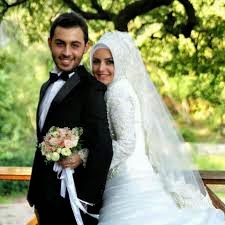


Marriage
in Islam is based on a contract between a man and woman intending to be
unified in marriage. Thus, as in any contract in Islam, there are
elements which are considered essential to its existence, called
'pillars', as well as the possibility of stipulations of different
kinds, legal effects of the contract, etc. Each of these must be
understood correctly in order to ensure that the marriage has been
performed according to the legal conditions and that the rightful
effects of the marriage are guaranteed to each of the contracting
parties.
The Pillars of a Marriage Contract According to the Majority of Scholars
- Offer
and acceptance are among the pillars. For most scholars, the offer must
be from the woman's side and the acceptance from the man.
- The two parties to the contract: the prospective husband and the guardian of the woman.
Some also count the following among the pillars, although the majority of these scholars
- The presence of witnesses.
- Dowry.
The Wording of the Contract
There
are a variety of opinions as to exactly which phrases are valid in the
transaction of the marriage contract. However, the best format is that
actually used by the Prophet  and his companions
  . Also,
it is recommended that the contract be executed verbally. However, due
to need or necessity, it may be done through writing or signing.
Among
the different possible phraseology, the very clear terms such as: "I
marry you" is accepted by all scholars. Anything which indicates a
temporary nature of the contract is forbidden. There is some difference
of opinion concerning the validity of other phrases such as: "I present
to you", "I give to you", "I sell to you", etc.
Does it have to be in Arabic?
According
to the majority of scholars, it is not necessary for the marriage
contract to be executed in Arabic, even for those who have the ability
to speak Arabic. The scholars of the Hanbali school, who required the
use of forms of the words Nikaah or Zawaaj (marriage), required that the
contract be transacted in Arabic for this reason.
The Different Types of Conditions or Prerequisites
At
this point, we need to learn the definition of some general terms in
Islamic Fiqh (Jurisprudence), related to this issue, which come up in
many subject areas, including the one at hand.
Saheeh (Sound): A contract which fulfils all of the pillars and the prerequisites, and has full effect in the law.
Baatil
(Void): A contract that has failed to fulfil specific pillars or vital
prerequisites. A contract which is Baatil is the opposite of one which
is Saheeh and has no legal effect at all. If a marriage contract is
found to be void, even if it is only discovered after consummation, the
legal condition will be as if it never happened at all. The lineage of
the father (of a child produced in such a 'marriage') will not be
established and there is no waiting period ('Iddah) upon the woman. An
example of this would be if a man married a woman who was married to
someone else at the time.
Faasid (Defective): This is a contract which fails to fulfil some of the prerequisites, but not the pillars.
With respect to marriage, there are four different kinds of conditions which must be met:
1. Conditions Required for Initiating the Contract
These are the conditions that must be present with respect to the pillars or fundamentals of the marriage contract.
2. Conditions Required for the Soundness of the Contract
These
are conditions which must be fulfilled in order for the marriage to
have its proper legal effect. If these conditions are not met, the
contract is 'Defective' (Faasid), according to Hanafi Fiqh, and 'Void'
(Baatil) according to the others.
3. Conditions Required for the Execution of the Contract
These
are conditions which must be met for the marriage to have actual
practical effect. If these conditions are not met, then the marriage is
'Suspended' (Mawqoof) according to Hanafi and Maaliki Fiqh; for example,
a minor girl until she reaches puberty.
4. Conditions Required for Making the Marriage Binding
If
these conditions are not met, then the marriage is non-binding, meaning
that either of the two parties or others may have the right to annul
the marriage. If they accept the marriage with such shortcomings, it
becomes binding.
Prerequisites Required for Initiating the Contract
In
this category, there are conditions concerning the two who are getting
married, as well as the form in which the contract takes place.
Concerning the Two Getting Married:
The
two people must meet the qualification of legal competence, i.e., they
must be adult and sane. If they are not, the marriage will be invalid.
Secondly,
the woman cannot be from those categories of women that are forbidden
for a man to marry. For example, suppose a man married a woman and later
discovered that they had been breastfed by the same woman. In this
case, it is as if the marriage never took place because these two were
not allowed to marry each other and the marriage becomes null and void.
Concerning the Contract:
There is near unanimous agreement on the following conditions relating to the transaction of the marriage contract:
1. The
offer and acceptance must be done in one sitting. In general, this
means that the response must be immediate. Exactly what is considered a
'sitting' depends on custom and other related factors.
2.
The acceptance must correspond to what is being offered. If the
guardian says: "I marry you to Khadeejah", a response of: "I accept
Faatimah as my wife" would not constitute a valid contract. An exception
to this is if the Wali (guardian) mentions a specific dowry amount and
the groom responds with a higher amount. It is regarded that there is no
reason for dispute here since it is assumed that a higher dowry will be
acceptable.
3. The
Wali cannot rescind the offer. Unlike transactions of selling, neither
party can say: "I have changed my mind" once they have uttered the
offer/acceptance. It is immediately binding. In a sale, they both
continue to have the option to change their mind until the 'sitting' is
over and they part.
4. The
marriage must be effective immediately. If the Wali says 'I will marry
her to you after one month', there is no marriage and the two remain
unmarried.
Note
that the custom of saying: 'I accept' three times, which is common in
some Muslim cultures, has no legal significance. Once the first 'I
accept' has been uttered, everything after that is meaningless - whether
positive or negative.
Adding Stipulations to the Marriage Contract
This
is where one party states a stipulation binding on the other party for
specific reasons or goals. The offer/acceptance is tied to this
stipulation by mention. There is a difference of opinion among the
scholars concerning the validity of conditions of this nature.
Conditions of contracts are two types:
1) Those imposed directly by the Sharee'ah (Islamic Legislation) and
2) Those drawn up by one or more of the parties.
When
any contract is entered into, the first type of conditions are covered
automatically, even if they are not stated in the contract.
. Also,
it is recommended that the contract be executed verbally. However, due
to need or necessity, it may be done through writing or signing.
Among
the different possible phraseology, the very clear terms such as: "I
marry you" is accepted by all scholars. Anything which indicates a
temporary nature of the contract is forbidden. There is some difference
of opinion concerning the validity of other phrases such as: "I present
to you", "I give to you", "I sell to you", etc.
Does it have to be in Arabic?
According
to the majority of scholars, it is not necessary for the marriage
contract to be executed in Arabic, even for those who have the ability
to speak Arabic. The scholars of the Hanbali school, who required the
use of forms of the words Nikaah or Zawaaj (marriage), required that the
contract be transacted in Arabic for this reason.
The Different Types of Conditions or Prerequisites
At
this point, we need to learn the definition of some general terms in
Islamic Fiqh (Jurisprudence), related to this issue, which come up in
many subject areas, including the one at hand.
Saheeh (Sound): A contract which fulfils all of the pillars and the prerequisites, and has full effect in the law.
Baatil
(Void): A contract that has failed to fulfil specific pillars or vital
prerequisites. A contract which is Baatil is the opposite of one which
is Saheeh and has no legal effect at all. If a marriage contract is
found to be void, even if it is only discovered after consummation, the
legal condition will be as if it never happened at all. The lineage of
the father (of a child produced in such a 'marriage') will not be
established and there is no waiting period ('Iddah) upon the woman. An
example of this would be if a man married a woman who was married to
someone else at the time.
Faasid (Defective): This is a contract which fails to fulfil some of the prerequisites, but not the pillars.
With respect to marriage, there are four different kinds of conditions which must be met:
1. Conditions Required for Initiating the Contract
These are the conditions that must be present with respect to the pillars or fundamentals of the marriage contract.
2. Conditions Required for the Soundness of the Contract
These
are conditions which must be fulfilled in order for the marriage to
have its proper legal effect. If these conditions are not met, the
contract is 'Defective' (Faasid), according to Hanafi Fiqh, and 'Void'
(Baatil) according to the others.
3. Conditions Required for the Execution of the Contract
These
are conditions which must be met for the marriage to have actual
practical effect. If these conditions are not met, then the marriage is
'Suspended' (Mawqoof) according to Hanafi and Maaliki Fiqh; for example,
a minor girl until she reaches puberty.
4. Conditions Required for Making the Marriage Binding
If
these conditions are not met, then the marriage is non-binding, meaning
that either of the two parties or others may have the right to annul
the marriage. If they accept the marriage with such shortcomings, it
becomes binding.
Prerequisites Required for Initiating the Contract
In
this category, there are conditions concerning the two who are getting
married, as well as the form in which the contract takes place.
Concerning the Two Getting Married:
The
two people must meet the qualification of legal competence, i.e., they
must be adult and sane. If they are not, the marriage will be invalid.
Secondly,
the woman cannot be from those categories of women that are forbidden
for a man to marry. For example, suppose a man married a woman and later
discovered that they had been breastfed by the same woman. In this
case, it is as if the marriage never took place because these two were
not allowed to marry each other and the marriage becomes null and void.
Concerning the Contract:
There is near unanimous agreement on the following conditions relating to the transaction of the marriage contract:
1. The
offer and acceptance must be done in one sitting. In general, this
means that the response must be immediate. Exactly what is considered a
'sitting' depends on custom and other related factors.
2.
The acceptance must correspond to what is being offered. If the
guardian says: "I marry you to Khadeejah", a response of: "I accept
Faatimah as my wife" would not constitute a valid contract. An exception
to this is if the Wali (guardian) mentions a specific dowry amount and
the groom responds with a higher amount. It is regarded that there is no
reason for dispute here since it is assumed that a higher dowry will be
acceptable.
3. The
Wali cannot rescind the offer. Unlike transactions of selling, neither
party can say: "I have changed my mind" once they have uttered the
offer/acceptance. It is immediately binding. In a sale, they both
continue to have the option to change their mind until the 'sitting' is
over and they part.
4. The
marriage must be effective immediately. If the Wali says 'I will marry
her to you after one month', there is no marriage and the two remain
unmarried.
Note
that the custom of saying: 'I accept' three times, which is common in
some Muslim cultures, has no legal significance. Once the first 'I
accept' has been uttered, everything after that is meaningless - whether
positive or negative.
Adding Stipulations to the Marriage Contract
This
is where one party states a stipulation binding on the other party for
specific reasons or goals. The offer/acceptance is tied to this
stipulation by mention. There is a difference of opinion among the
scholars concerning the validity of conditions of this nature.
Conditions of contracts are two types:
1) Those imposed directly by the Sharee'ah (Islamic Legislation) and
2) Those drawn up by one or more of the parties.
When
any contract is entered into, the first type of conditions are covered
automatically, even if they are not stated in the contract.
The Pillars of a Marriage Contract According to the Majority of Scholars
- Offer and acceptance are among the pillars. For most scholars, the offer must be from the woman's side and the acceptance from the man.
- The two parties to the contract: the prospective husband and the guardian of the woman.
Some also count the following among the pillars, although the majority of these scholars
- The presence of witnesses.
- Dowry.
The Wording of the Contract
There
are a variety of opinions as to exactly which phrases are valid in the
transaction of the marriage contract. However, the best format is that
actually used by the Prophet and his companions . Also,
it is recommended that the contract be executed verbally. However, due
to need or necessity, it may be done through writing or signing.
and his companions . Also,
it is recommended that the contract be executed verbally. However, due
to need or necessity, it may be done through writing or signing.
Among
the different possible phraseology, the very clear terms such as: "I
marry you" is accepted by all scholars. Anything which indicates a
temporary nature of the contract is forbidden. There is some difference
of opinion concerning the validity of other phrases such as: "I present
to you", "I give to you", "I sell to you", etc.
Does it have to be in Arabic?
According
to the majority of scholars, it is not necessary for the marriage
contract to be executed in Arabic, even for those who have the ability
to speak Arabic. The scholars of the Hanbali school, who required the
use of forms of the words Nikaah or Zawaaj (marriage), required that the
contract be transacted in Arabic for this reason.
The Different Types of Conditions or Prerequisites
At
this point, we need to learn the definition of some general terms in
Islamic Fiqh (Jurisprudence), related to this issue, which come up in
many subject areas, including the one at hand.
Saheeh (Sound): A contract which fulfils all of the pillars and the prerequisites, and has full effect in the law.
Baatil
(Void): A contract that has failed to fulfil specific pillars or vital
prerequisites. A contract which is Baatil is the opposite of one which
is Saheeh and has no legal effect at all. If a marriage contract is
found to be void, even if it is only discovered after consummation, the
legal condition will be as if it never happened at all. The lineage of
the father (of a child produced in such a 'marriage') will not be
established and there is no waiting period ('Iddah) upon the woman. An
example of this would be if a man married a woman who was married to
someone else at the time.
Faasid (Defective): This is a contract which fails to fulfil some of the prerequisites, but not the pillars.
With respect to marriage, there are four different kinds of conditions which must be met:
1. Conditions Required for Initiating the Contract
These are the conditions that must be present with respect to the pillars or fundamentals of the marriage contract.
2. Conditions Required for the Soundness of the Contract
These
are conditions which must be fulfilled in order for the marriage to
have its proper legal effect. If these conditions are not met, the
contract is 'Defective' (Faasid), according to Hanafi Fiqh, and 'Void'
(Baatil) according to the others.
3. Conditions Required for the Execution of the Contract
These
are conditions which must be met for the marriage to have actual
practical effect. If these conditions are not met, then the marriage is
'Suspended' (Mawqoof) according to Hanafi and Maaliki Fiqh; for example,
a minor girl until she reaches puberty.
4. Conditions Required for Making the Marriage Binding
If
these conditions are not met, then the marriage is non-binding, meaning
that either of the two parties or others may have the right to annul
the marriage. If they accept the marriage with such shortcomings, it
becomes binding.
Prerequisites Required for Initiating the Contract
In
this category, there are conditions concerning the two who are getting
married, as well as the form in which the contract takes place.
Concerning the Two Getting Married:
The
two people must meet the qualification of legal competence, i.e., they
must be adult and sane. If they are not, the marriage will be invalid.
Secondly,
the woman cannot be from those categories of women that are forbidden
for a man to marry. For example, suppose a man married a woman and later
discovered that they had been breastfed by the same woman. In this
case, it is as if the marriage never took place because these two were
not allowed to marry each other and the marriage becomes null and void.
Concerning the Contract:
There is near unanimous agreement on the following conditions relating to the transaction of the marriage contract:
1. The
offer and acceptance must be done in one sitting. In general, this
means that the response must be immediate. Exactly what is considered a
'sitting' depends on custom and other related factors.
2.
The acceptance must correspond to what is being offered. If the
guardian says: "I marry you to Khadeejah", a response of: "I accept
Faatimah as my wife" would not constitute a valid contract. An exception
to this is if the Wali (guardian) mentions a specific dowry amount and
the groom responds with a higher amount. It is regarded that there is no
reason for dispute here since it is assumed that a higher dowry will be
acceptable.
3. The
Wali cannot rescind the offer. Unlike transactions of selling, neither
party can say: "I have changed my mind" once they have uttered the
offer/acceptance. It is immediately binding. In a sale, they both
continue to have the option to change their mind until the 'sitting' is
over and they part.
4. The
marriage must be effective immediately. If the Wali says 'I will marry
her to you after one month', there is no marriage and the two remain
unmarried.
Note
that the custom of saying: 'I accept' three times, which is common in
some Muslim cultures, has no legal significance. Once the first 'I
accept' has been uttered, everything after that is meaningless - whether
positive or negative.
Adding Stipulations to the Marriage Contract
This
is where one party states a stipulation binding on the other party for
specific reasons or goals. The offer/acceptance is tied to this
stipulation by mention. There is a difference of opinion among the
scholars concerning the validity of conditions of this nature.
Conditions of contracts are two types:
1) Those imposed directly by the Sharee'ah (Islamic Legislation) and
2) Those drawn up by one or more of the parties.
When
any contract is entered into, the first type of conditions are covered
automatically, even if they are not stated in the contract.
 Categories :
  6:04 AM
 Unknown


